Ethical Smartphone Brands
Which mobile phone brands are the most ethical and sustainable? For the answer, see our Ethical Mobile Phones comparison table to compare brands’ ethical scores.
Ethical issues with smartphone brands: Conflict minerals and other concerns
There are now an estimated 7 billion smartphone users worldwide. Many of us might be hard pushed to think what we don’t use our smartphones for! It’s therefore an unfortunate truth that most ethical mobile phone options are limited, as the majority of smartphone brands are extremely unethical. Many of us are aware of conflict minerals, and the devastation they cause. If you are looking for the best ethical phone UK consumers can buy, this article will help you find out the best option.
According to a study from Elsevier, smartphones have the largest carbon footprint of any consumer electronic device. 80% of a device’s carbon footprint comes from the manufacturing process. We therefore recommend only purchasing a new phone when you really need to, as holding onto your old phone can help reduce your environmental impact. Choosing a sustainable smartphone, or opting for a refurbished phone, are two of the most impactful steps an ethical shopper can take.
Additionally, one of the most critical issues amongst smartphone brands (and the technology sector as a whole) is the use of conflict minerals to manufacture electronic parts. Conflict minerals are often mined in politically unstable countries, such as the Democratic Republic of the Congo (DRC), Central African Republic, and Sudan.
The money from the minerals trade may be used to fund violence, corruption, forced labour, and other human rights abuses. This is why these resources are termed “conflict minerals”. Unfortunately, many smartphone brands do not audit their supply chains and end up purchasing conflict minerals from conflict zones, perpetuating human rights abuses. According to the Harvard Business Review, 80% of companies do not know if their products contain conflict minerals.
Our Ethical Mobile Phones comparison table provides you with all the information you need to see which smartphone brands are ethical. Researching and publishing ethical ratings since 2001, The GOOD Shopping Guide is one of the UK’s longest-standing independent sources of ethical brand information. Although there are not many options for an ethical phone brand, this handy guide also offers you some tips and tricks for finding an ethical phone without your money funding conflict minerals or other unethical practices.
Our research: The disappointing lack of ethical phone brands and the prevalence of conflict minerals
Our independent research revealed that there is a clear lack of ethical smartphone brands. In fact, all but one of the smartphone brands that we assessed appear in the red section of our Ethical Mobile Phones comparison table. This means that the majority of phone brands cannot be considered ethical.
The majority of smartphone brands received a bottom rating under our Human Rights category, with only one brand found to have a clean record on human rights.
A recent article from Business & Human Rights Resource Centre reported on a federal court case brought by International Rights Advocates on behalf of parents whose children were killed in mines in the DRC. These children were helping to produce batteries for leading technology companies, which includes Google and Apple. This is just one example of the disastrous effects of mining for conflict minerals and the tragic consequences of child labour. Campaigning NGO Global Witness has long documented the link between mineral extraction and human rights abuses — their findings closely mirror what The GOOD Shopping Guide’s own independent research has uncovered.
Additionally, some smartphone brands have links to the nuclear power industry, through the activities of their parent companies. Samsung, through its subsidiary Samsung C&T, is involved in the engineering and construction of nuclear power plants. Due to the catastrophic effects that a potential nuclear disaster can have on our planet and people, we recommend avoiding companies that receive a bottom rating under our Nuclear Power category. For a full breakdown of how we assess brands across all ethical criteria, see our How We Rate page.
The e-waste crisis is another major concern in the smartphone sector. Globally, over 60 million tonnes of electronic waste is generated every year, and mobile phones account for a significant share of this. The UK alone generates around 1.5 million tonnes of e-waste annually, much of which ends up in landfill or is illegally exported to developing countries, where it poses serious health and environmental risks. The Right to Repair movement has gained significant momentum in response to this crisis. In 2021, the UK Government introduced Right to Repair regulations requiring manufacturers to make spare parts available for certain electronics. Choosing a phone that is designed to be repaired and updated, rather than discarded, is one of the most effective ways to reduce your environmental footprint as a consumer.
Our advice: The best way to buy an ethical phone without conflict minerals
As so many smartphone brands are rife with ethical issues, it almost seems impossible to buy an ethical phone. However, there are ways to purchase your new phone ethically without the need to purchase from unethical smartphone brands.
Firstly, you may want to purchase an ethical phone that hasn’t been made using conflict minerals.
What are conflict minerals?
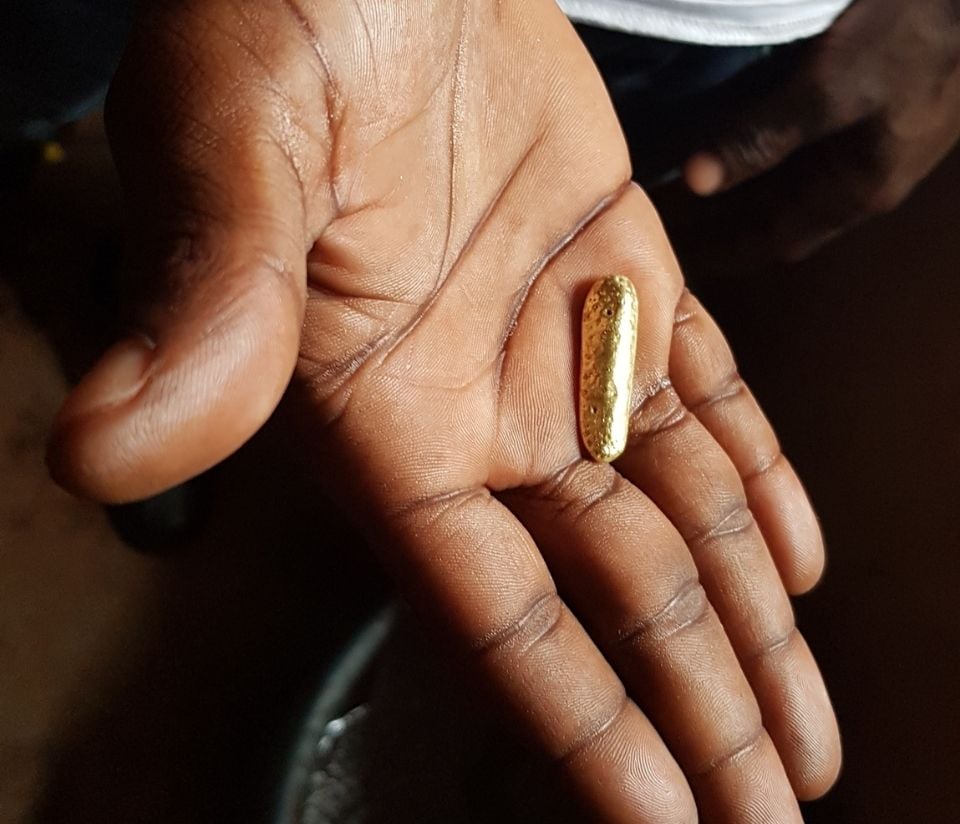
Materials that are often obtained from war-torn areas, most notably the Democratic Republic of the Congo (DRC), are referred to as “conflict minerals” since the money made from these resources goes toward sustaining conflict, bloodshed, and human rights abuses. Tin, tantalum, tungsten, and gold are the primary conflict minerals, commonly referred to as 3TG, while other minerals have also been linked to this problem.
These minerals are often necessary for the production of a variety of home gadgets, such as mobile phones, computers, and televisions. Therefore, it is critical that the businesses who sell these goods exercise diligence and openness regarding the possibility of conflict minerals in their supply chains.
The best option is to check the company’s conflict minerals statement, as this shows they are trying to be transparent about their conflict minerals sourcing. Some smartphone brands, such as Fairphone, source their minerals from conflict-free zones. The UK Government’s Section 54 Modern Slavery Act guidance also requires larger companies to report on supply chain transparency, which includes minerals sourcing. You can read more about conflict minerals in our methodology page: How We Rate.
If you really need to buy an ethical phone brand new, Fairphone is your best option, as they are the only company to appear in the green section of our Ethical Mobile Phones comparison table. Additionally, Fairphone was the only brand to receive a top rating under Human Rights. The latest Fairphone 6 has been awarded a perfect 10/10 repairability score by iFixit, offers a five-year warranty, and commits to software support until 2033 — a standard no mainstream manufacturer currently matches. Fairphone has also achieved Ethical Accreditation from The GOOD Shopping Guide, recognising its commitment to responsible sourcing, repairability, and sustainability. Find out more about the benefits of Ethical Accreditation.
However, if you do not need a brand-new phone, there are other options for an ethical phone. Have you considered purchasing a second-hand or refurbished phone from an independent supplier? Some of these refurbished models are in mint condition, and have never been out of the box. This not only saves you from adding to e-waste, or contributing to the carbon footprint of manufacturing a new phone, but also allows you to avoid directly funding an unethical smartphone brand. (Second-hand models are also a lot cheaper than brand new phones!) Buying a second-hand phone means that companies will not need to mine any more conflict minerals to produce it. UK-based social enterprise The Restart Project campaigns for the right to repair electronics and runs community repair events across the country — a great resource for anyone looking to extend the life of their device. So consider giving your old phone to a recycling company if you are no longer using it. You’ll often get a bit of money back for doing this too!
When considering the full picture of your digital ethical footprint, your phone is just the starting point. The same conflict minerals and human rights concerns that affect mobile phones are present throughout the wider technology sector. See our Ethical PCs, Laptops and Tablets comparison table for guidance on sustainable computing, and our Ethical Mobile Networks comparison table to compare the sustainability credentials of UK phone networks. For brands that have gone further and sought independent verification of their ethical standards, visit our Top 200 Ethical Businesses page and our Ethical Accreditation benefits page.
See our Ethical Mobile Phones comparison table to compare brands
The GOOD Shopping Guide’s researchers have investigated and analysed the thousands of brands that are included on our Ethical comparison tables. Simply click on any brand’s name to read an in-depth article about its history and its sustainable business strategies (or lack of them!).
The Good Shopping Guide’s researchers have investigated and analysed the thousands of brands that are included on our Ethical Ratings Tables. Simply click on any brand’s name below to read an in-depth article about its history and its sustainable business strategies (or lack of them!).
Fairphone, LG, Nokia, Alcatel, Honor, TCL, iPhone, Motorola, OPPO, OnePlus, Realme, HTC, Sony, Mi, Google Pixel, Samsung, Nothing, Shift and Huawei.
What are the main ethical concerns associated with mobile phones?
Mobile phones raise ethical concerns throughout their life cycle — from mining conflict minerals and poor labour conditions in factories, to limited repairability and e‑waste. Materials like cobalt and lithium are often sourced from regions with human rights abuses, and assembly workers can work long hours with low pay. After use, phones frequently end up in landfill, releasing toxic substances.
Why is mineral sourcing a major ethical issue for smartphones?
Many phones contain metals like cobalt, tungsten and gold that are mined in countries where child labour, dangerous working conditions and conflict funding are documented. Ethical sourcing aims to reduce harm by using recycled metals or ensuring suppliers follow strict labour and environmental standards. Without this, mineral extraction contributes to exploitation and environmental destruction.
How does repairability affect the ethics of mobile phones?
Repairability matters because easily repairable phones generally last longer, reducing waste and resource use. Phones that are hard to fix force consumers to replace them sooner, increasing electronic waste (e‑waste) and demand for new materials. Ethical evaluations tend to favour brands that publish clear repair guides, provide spare parts, and design phones with modular, accessible components.
What role does environmental reporting play in assessing ethical phone brands?
Environmental reporting shows how transparently a company tracks and publishes its sustainability performance — including emissions, energy use and recycling programmes. Brands with strong reporting are easier to hold accountable and often perform better on commitments like reducing plastic use, improving energy efficiency and supporting recycling or take‑back schemes.
Which mobile phone brands score highest on ethical and sustainability criteria?
Brands like Teracube, Fairphone (especially earlier designs), Shift, and Gigaset score comparatively well because they emphasise durability, repairability, use of recycled materials, transparent sustainability reporting, and ethical supply chain commitments. These brands are seen as more ethical options compared with many mainstream manufacturers.
Why do many major smartphone makers score poorly on ethical assessments?
Large brands like Apple, Samsung, Huawei, Xiaomi and Google often score lower because they typically have limited repairability, lack full transparency on supply chain ethics, and are slow to adopt recycled materials. Some parent companies also have problematic corporate practices, weak environmental policies, or issues with worker conditions in factories.
What can consumers do to reduce the ethical impact of their mobile phone use?
To reduce impact, consumers can choose phones designed for longevity and repairability, buy second‑hand or refurbished devices, support brands with strong sustainability policies and take advantage of recycling or trade‑in programmes. Extending a phone’s use and making it easier to repair helps lower demand for new resource extraction and reduces e‑waste.
Is Fairphone an ethical Mobile Phones brand?
Fairphone sits above the benchmark on The GOOD Shopping Guide’s Mobile Phones Ethical Ratings Table, performing strongly across environmental, people, animal‑welfare, and conflict‑minerals criteria, though it lacks Ethical Accreditation. While the brand hasn’t yet achieved formal Ethical Accreditation, its high marks and Ethical Innovator Status indicate a clear commitment to ethical and sustainable practices that set a positive example in the mobile phone sector.
Is Nokia an ethical Mobile Phones brand?
Nokia sits above the benchmark on The GOOD Shopping Guide’s Mobile Phones Ethical Ratings Table, with strong marks for its environmental policies, human‑rights stance, and corporate conduct, although it doesn’t hold Ethical Accreditation. While accreditation is absent, Nokia’s performance across responsible sourcing and governance suggests meaningful ethical and sustainable business practices that align with shopper expectations for the mobile phones sector.
Is Alcatel an ethical Mobile Phones brand?
Alcatel sits below the benchmark on The GOOD Shopping Guide’s Mobile Phones Ethical Ratings Table, performing well in criteria like avoiding links to nuclear power, fossil fuels and armaments, but falling short in areas such as environmental reporting, code of conduct and transparency. Because the brand is below the benchmark, readers should consult the Mobile Phones Ethical Ratings Table for brands that meet or exceed ethical expectations.
Is TCL an ethical Mobile Phones brand?
TCL sits below the benchmark on The GOOD Shopping Guide’s Mobile Phones Ethical Ratings Table, with satisfactory results in areas like nuclear power, fossil fuels and animal welfare, but weaker performance for its environmental reporting and code of conduct. Because TCL falls short of the benchmark and has not secured Ethical Accreditation, readers should consult the Mobile Phones Ethical Ratings Table to find brands that meet ethical expectations.
Is Honor an ethical Mobile Phones brand?
Honor sits below the benchmark on The GOOD Shopping Guide’s Mobile Phones Ethical Ratings Table, earning positive marks for its lack of negative records in areas like nuclear power, fossil fuels and armaments, but falling short in conflict minerals, eco‑labels and other transparency criteria. Because the brand does not meet the benchmark or hold Ethical Accreditation, readers should consult the Mobile Phones Ethical Ratings Table for brands that reach the ethical standard.
Is HTC an ethical Mobile Phones brand?
HTC sits below the benchmark on The GOOD Shopping Guide’s Mobile Phones Ethical Ratings Table, with positive marks where it has no negative records in areas like nuclear power, fossil fuels and animal welfare, but weaker performance in environmental reporting and transparency. Because HTC falls short of the benchmark without Ethical Accreditation, readers should consult the Mobile Phones Ethical Ratings Table for brands that meet ethical expectations.
Is Motorola an ethical Mobile Phones brand?
Motorola sits below the benchmark on The GOOD Shopping Guide’s Mobile Phones Ethical Ratings Table, earning good marks for environmental reporting and avoidance of nuclear power and fossil fuels, but weaker performance in areas like political donations, human rights and overall transparency. Because the brand falls short of the benchmark without Ethical Accreditation, readers should consult the Mobile Phones Ethical Ratings Table to find brands that meet ethical standards.
Is Sony an ethical Mobile Phones brand?
Sony sits below the benchmark on The GOOD Shopping Guide’s Mobile Phones Ethical Ratings Table, earning strong marks where it has no negative records for nuclear power, fossil fuels and animal welfare, but performing poorly in areas like eco‑labels, political donations and human rights. Because Sony falls short of the benchmark without Ethical Accreditation, readers should consult the Mobile Phones Ethical Ratings Table to find brands that reach ethical expectations.
Is iPhone an ethical Mobile Phones brand?
iPhone sits below the benchmark on The GOOD Shopping Guide’s Mobile Phones Ethical Ratings Table, earning high marks in areas like environmental reporting and avoidance of fossil fuels, yet performing poorly in human rights and other key criteria. Because the brand does not meet the benchmark and lacks Ethical Accreditation, readers should consult the Mobile Phones Ethical Ratings Table for brands that achieve stronger ethical performance.
Is Mi an ethical Mobile Phones brand?
Mi sits below the benchmark on The GOOD Shopping Guide’s Mobile Phones Ethical Ratings Table, with stronger marks in areas like animal welfare and avoidance of certain negative industries, but weaker performance in environmental reporting and human‑rights criteria. Because Mi does not meet the benchmark and lacks Ethical Accreditation, readers should consult the Mobile Phones Ethical Ratings Table to find brands that achieve ethical expectations.
Is Oppo an ethical Mobile Phones brand?
Oppo sits below the benchmark on The GOOD Shopping Guide’s Mobile Phones Ethical Ratings Table, earning positive marks where it has no negative records in categories like nuclear power, fossil fuels and animal welfare, but underperforming in areas such as eco‑labels, human rights and conflict minerals. Because the brand falls short of the benchmark without Ethical Accreditation, readers should consult the Mobile Phones Ethical Ratings Table for brands that meet ethical expectations.
Is OnePlus an ethical Mobile Phones brand?
OnePlus sits below the benchmark on The GOOD Shopping Guide’s Mobile Phones Ethical Ratings Table, with good marks where it has no negative records in areas like nuclear power, fossil fuels and animal welfare, but weaker performance in environmental reporting, transparency and human‑rights criteria. Because the brand falls short of the benchmark without Ethical Accreditation, readers should consult the Mobile Phones Ethical Ratings Table to find brands that meet ethical expectations.
Is realme an ethical Mobile Phones brand?
realme sits below the benchmark on The GOOD Shopping Guide’s Mobile Phones Ethical Ratings Table, with positive marks where it has no negative records in areas such as nuclear power, fossil fuels and animal welfare, but weaker performance in environmental reporting, transparency and human‑rights criteria. Because the brand falls short of the benchmark without Ethical Accreditation, readers should consult the Mobile Phones Ethical Ratings Table to find brands that meet ethical expectations.
Is Google Pixel an ethical Mobile Phones brand?
Google Pixel sits below the benchmark on The GOOD Shopping Guide’s Mobile Phones Ethical Ratings Table, with some positive marks for aspects like eco‑labels and environmental reporting but notable shortcomings in human rights, political donations and other ethical criteria. Because the brand does not meet the benchmark and lacks Ethical Accreditation, readers should consult the Mobile Phones Ethical Ratings Table to find brands that achieve stronger ethical performance.
Is Samsung an ethical Mobile Phones brand?
Samsung sits below the benchmark on The GOOD Shopping Guide’s Mobile Phones Ethical Ratings Table, with strong marks in areas such as environmental reporting and eco‑labels, but notable weaknesses in human rights, political donations, nuclear power and other ethical criteria. Because Samsung does not meet the benchmark or hold Ethical Accreditation, readers should consult the Mobile Phones Ethical Ratings Table to find brands that meet ethical expectations.
Is Huawei an ethical Mobile Phones brand?
Huawei sits below the benchmark on The GOOD Shopping Guide’s Mobile Phones Ethical Ratings Table, achieving positive marks where it has no negative records in categories such as nuclear power, fossil fuels and animal welfare, but weaker performance for environmental reporting, transparency and human‑rights criteria. Because the brand falls short of the benchmark without Ethical Accreditation, readers should consult the Mobile Phones Ethical Ratings Table to find brands that meet ethical standards.
How does The GOOD Shopping Guide's Ethical Accreditation complement other accreditations?
The GOOD Shopping Guide doesn’t replace existing certifications, it ensures your ethical credentials are clearly recognised so they are trusted by consumers. By appearing in our comparison tables, your brand reaches an audience that is actively seeking genuinely ethical options, while also being referenced by Google and AI search tools to enhance credibility and discoverability.
How is The GOOD Shopping Guide's Ethical Accreditation different from other accreditations?
Unlike many accreditations that focus mainly on compliance or internal audits, The GOOD Shopping Guide provides scored, research-led assessments across environment, people and animals. Our tables are consumer-facing and freely accessible, making it easy for shoppers and AI tools to compare brands based on verified performance, not just promises.
How does The GOOD Shopping Guide choose who is eligible for accreditation?
The GOOD Shopping Guide audits brands for their ethical impact across a variety of criteria in the human, animal and environment categories. We research the records of brands and their parent companies, and rate them across those criteria. If they are found to be above our benchmark, they are eligible to apply for Ethical Accreditation.
How can I apply for Ethical Accreditation?
You can apply for Ethical Accreditation if your brand is assessed as above our benchmark. Click on this link to fill out our online form, and our researchers will assess your brand’s viability for Ethical Accreditation.